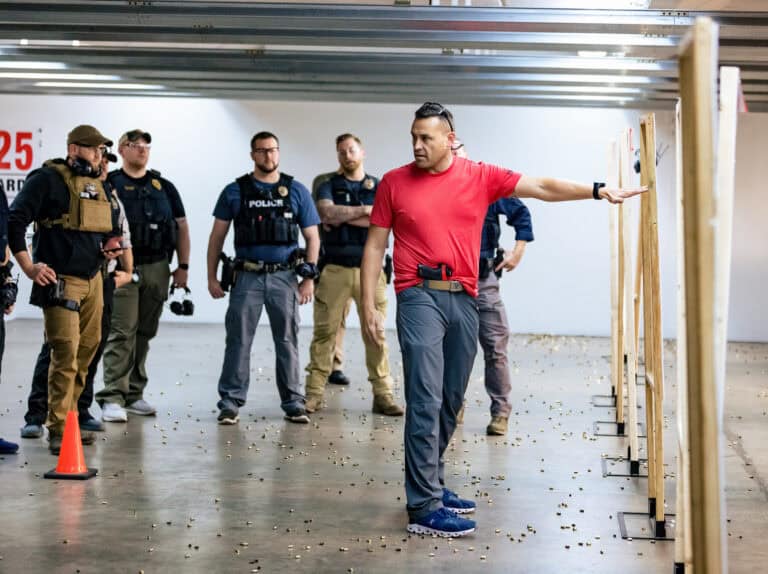
RDS instructor certification should confirm that a student can teach—not just shoot. High Threat Training Group’s three-day Red Dot Sight (RDS) Handgun Instructor Course evaluates shooting proficiency, diagnostics, corrective coaching, and teach-backs. Instructor certification requires demonstrated shooting and instructional ability. Attendance alone does not earn the credential.
Students must teach the lesson’s purpose, performance requirements, likely breakdowns, and safety requirements. Instructor evaluators check four elements:
Students must connect these elements to clear principles. Extra steps, conflicting cues, and unsupported variations can pull instruction away from the lesson’s objective. Principle-led teaching keeps the explanation focused without tactical creep getting involved.
HTTG instructors allow students to explore solutions within those principles. An ecological, constraints-led approach guides that exploration through defined tasks and boundaries while keeping the learning objective, performance standards, and safety requirements intact.
A student who recites the steps but cannot explain the purpose, can’t identify failure points, or communicate with a presence and a confident tone misses the purpose of the teach-back.
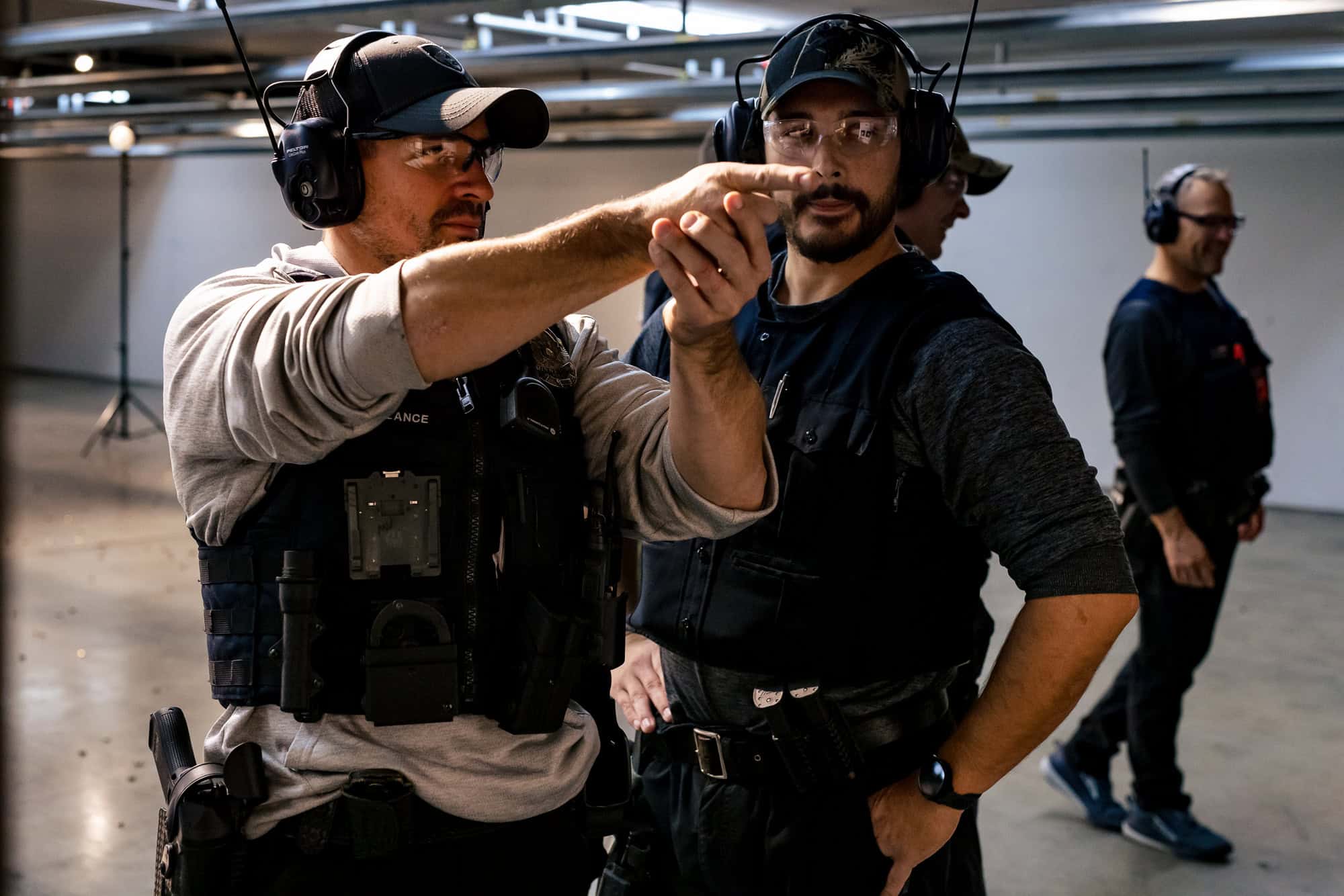
An instructor must recognize the error, explain the correction, and check whether the student understands it. Repeating the drill without addressing the root failure is the error.
In Police One, Chrystal Fletcher recommends helping officers understand their difficulties and develop self-diagnosis and self-correction. That approach makes coaching more than a series of commands: the learner must understand what needs to change. [1]
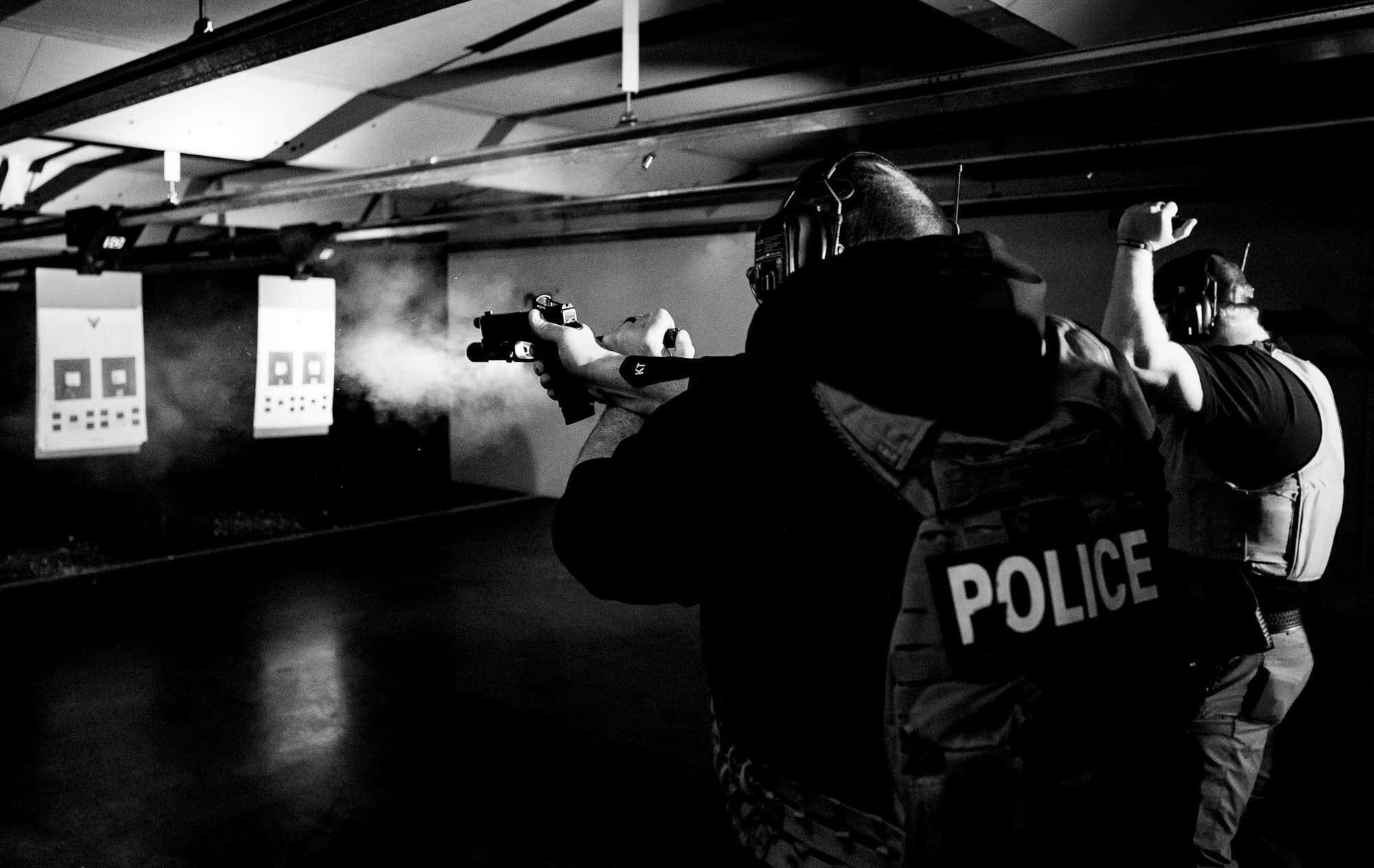
A strong qualification score shows performance under that session’s conditions. It does not establish whether the skill will persist outside of training.
Soderstrom and Bjork’s review, Learning versus performance, explains this distinction across motor and verbal learning. Retention concerns what persists; transfer concerns what carries over.
I argue that firearms instructor development should continue after certification. Instructors still need continuous practice and later assessment, not reliance on an instructor certification.
Develop instructors who can explain principles, diagnose problems, coach corrections, and evaluate students. HTTG’s course combines those responsibilities with RDS fundamentals, low-light applications, teach-backs, and qualification standards. Students who do not meet the required standards receive an attendance certificate rather than instructor certification. [1]
Hosting benefit: The hosting agency receives two complimentary course slots—a combined $1,600 value.
Host an RDS Instructor Course to discuss your agency’s training needs, preferred dates, range requirements, and attendance. Review the course details or email Aaron Guzman with questions.